ย้อนกลับ
ชั้นที่ 1
Forest Heritage Museum
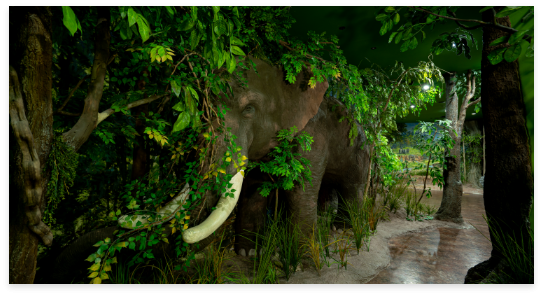
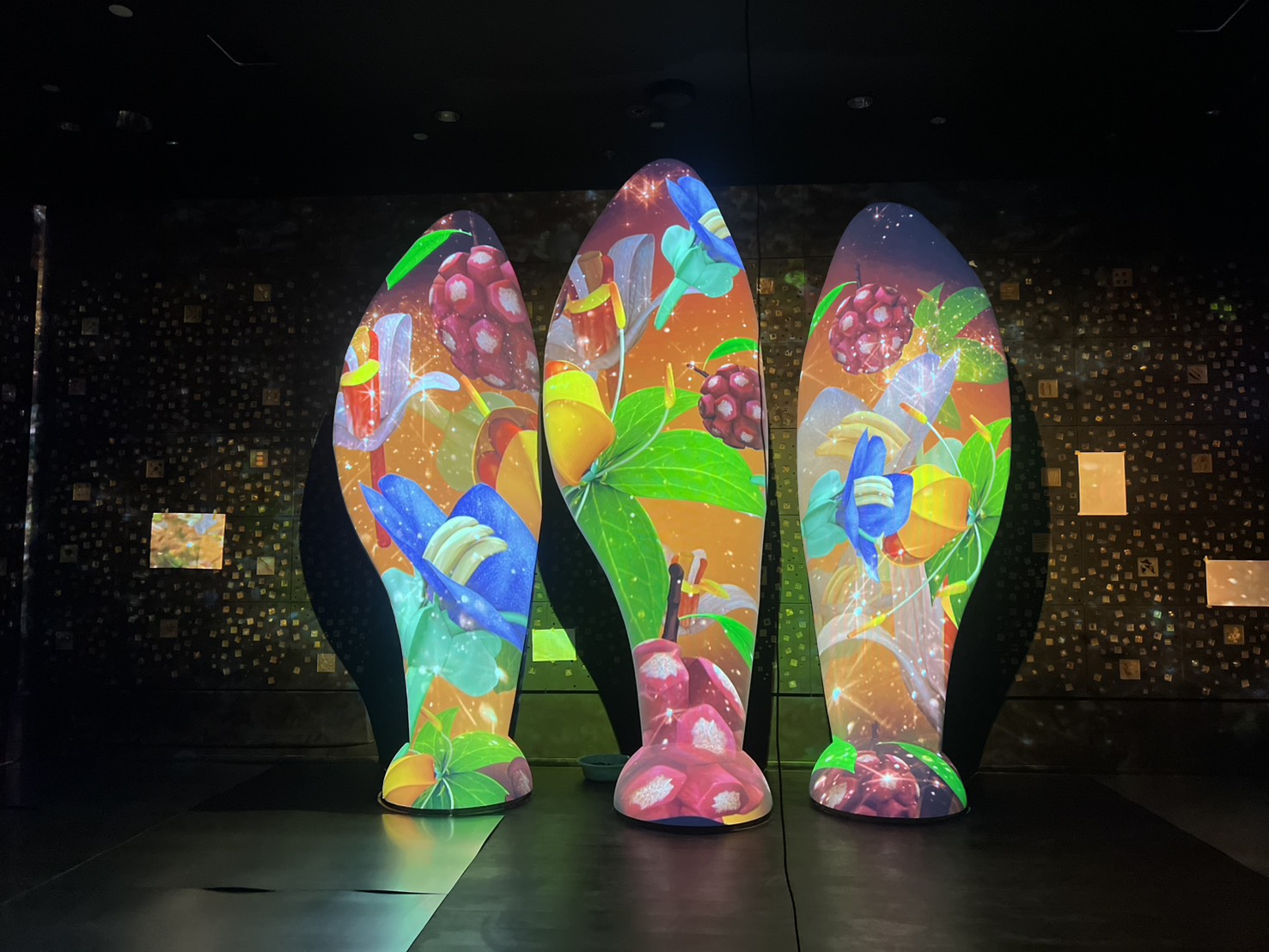
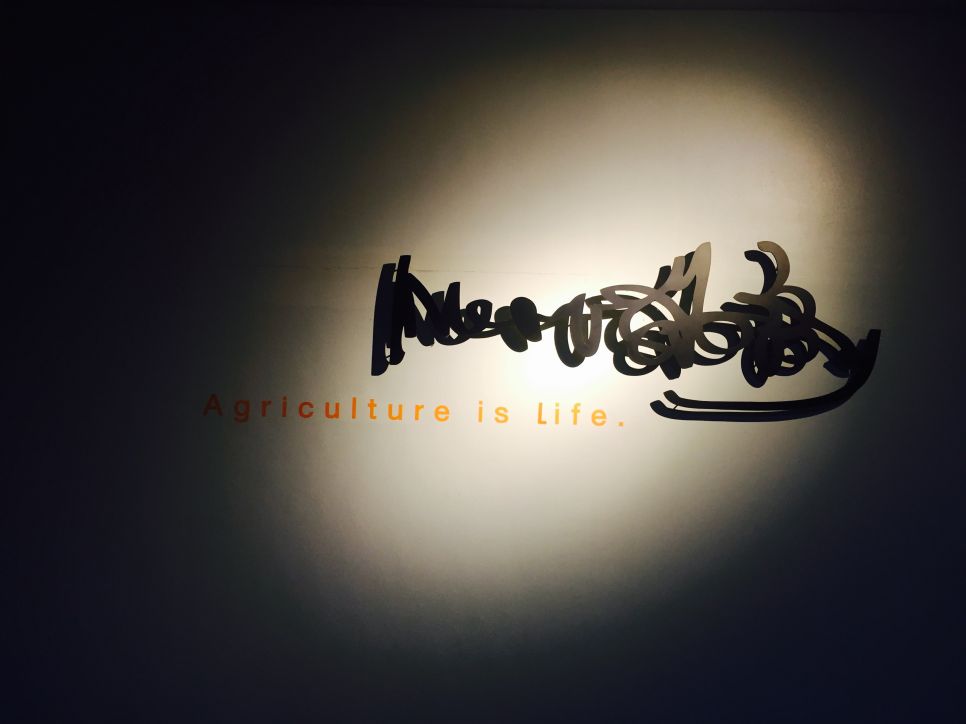
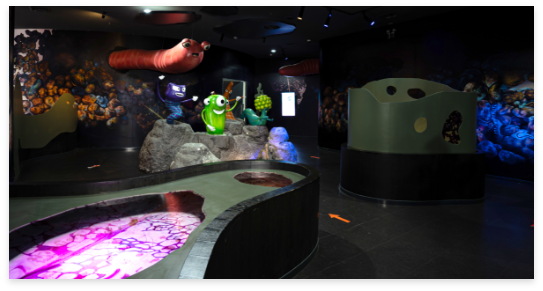
 พิพิธภัณฑ์ในอาคาร

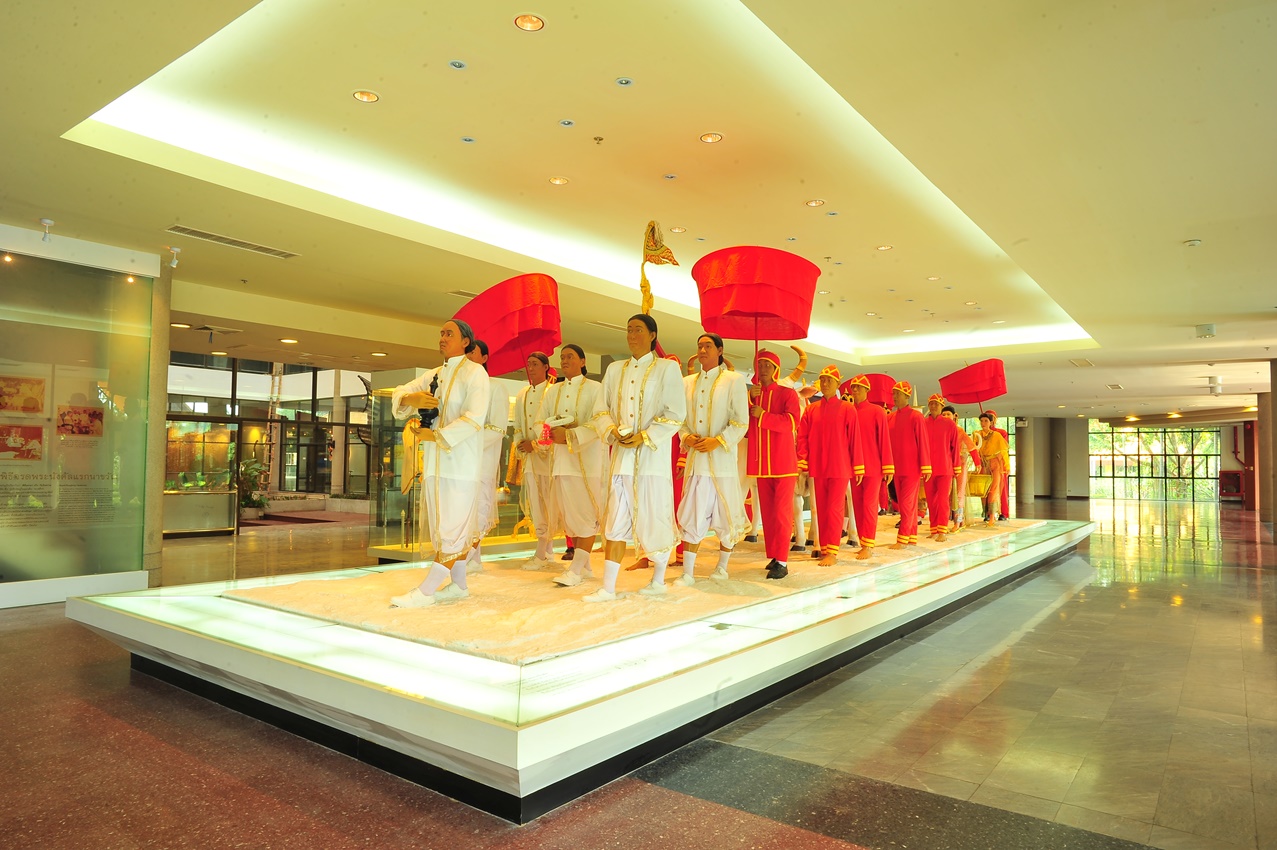


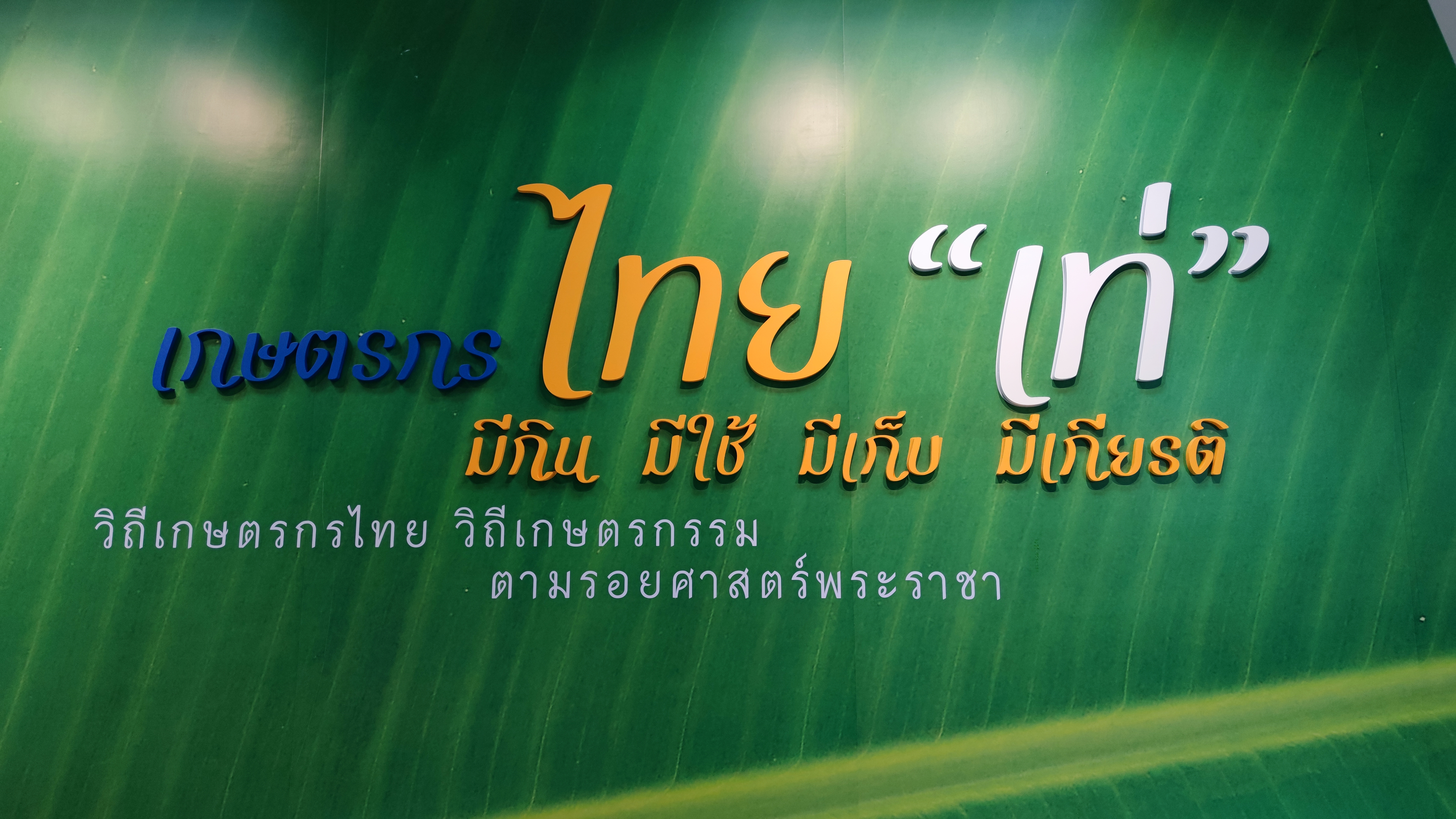
The King Who Loves Us Museum (Chalerm Phra Kiat Building 5, 1st Floor)
Exhibition Zone 1: Royal Ceremonies in Agricultural Life
The Royal Ploughing Ceremony and Ploughing Festival is an ancient royal ceremony held to bring auspiciousness and boost the morale of farmers at the beginning of the planting season. It was suspended in 1936, and later in 1960, His Majesty King Bhumibol Adulyadej The Great revived the Royal Ploughing Ceremony to preserve ancient royal traditions. At present, His Majesty King Maha Vajiralongkorn Bodindradebayavarangkun has continued and adapted the tradition to suit the modern era.

Exhibition Zone 2: The Agricultural King
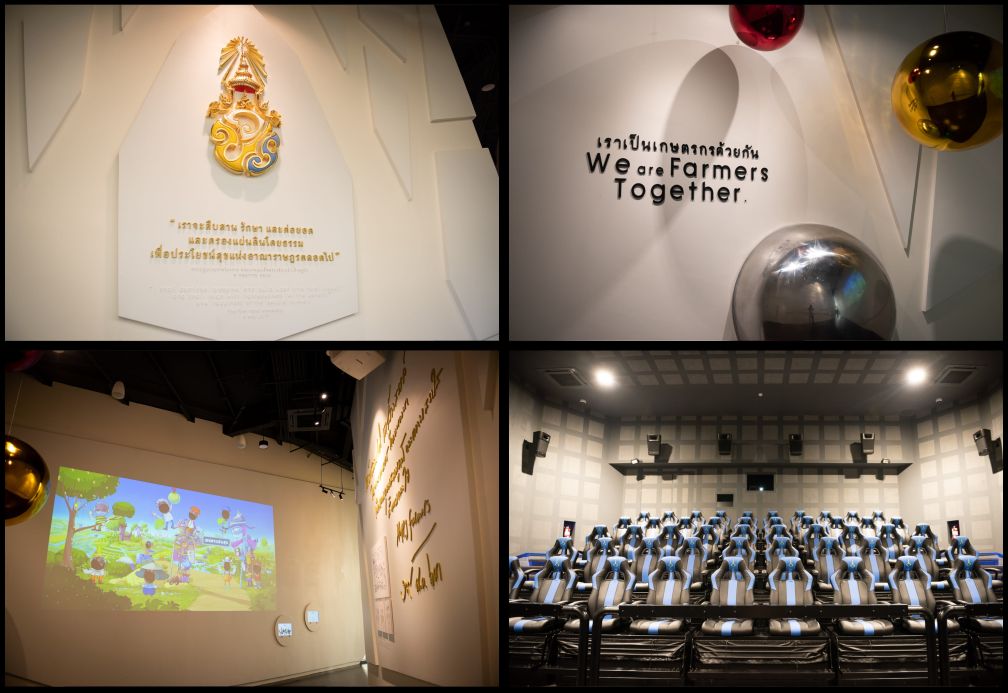
Exhibiting the royal biography of His Majesty King Bhumibol Adulyadej The Great (Rama IX) from his birth, over 60 years of royal duties, royal photographs taken by His Majesty, the relationship between the monarchy and agriculture across the Sukhothai, Ayutthaya, Thonburi, and Rattanakosin periods, and the legend of the origin of agriculture. Enjoy a 3D animated cartoon that integrates moral lessons with entertainment inside the 'King of Agriculture' theater, which can accommodate over 120 visitors.

Exhibition Zone 3: Working Principles
Exhibition beneath the golden rice paddy sculpture, presenting the working story of King Rama IX. His Majesty was a royal king of experimentation, practice, and development through the work of developing areas across Thailand, summarizing his work based on moral principles, concepts, and practical guidelines which Dr. Sumet Tantivejkul, Secretary-General of the Chaipattana Foundation, updated from the original 23 working principles to 27 principles.

Exhibition Zone 4: Heart Devoted to Agriculture
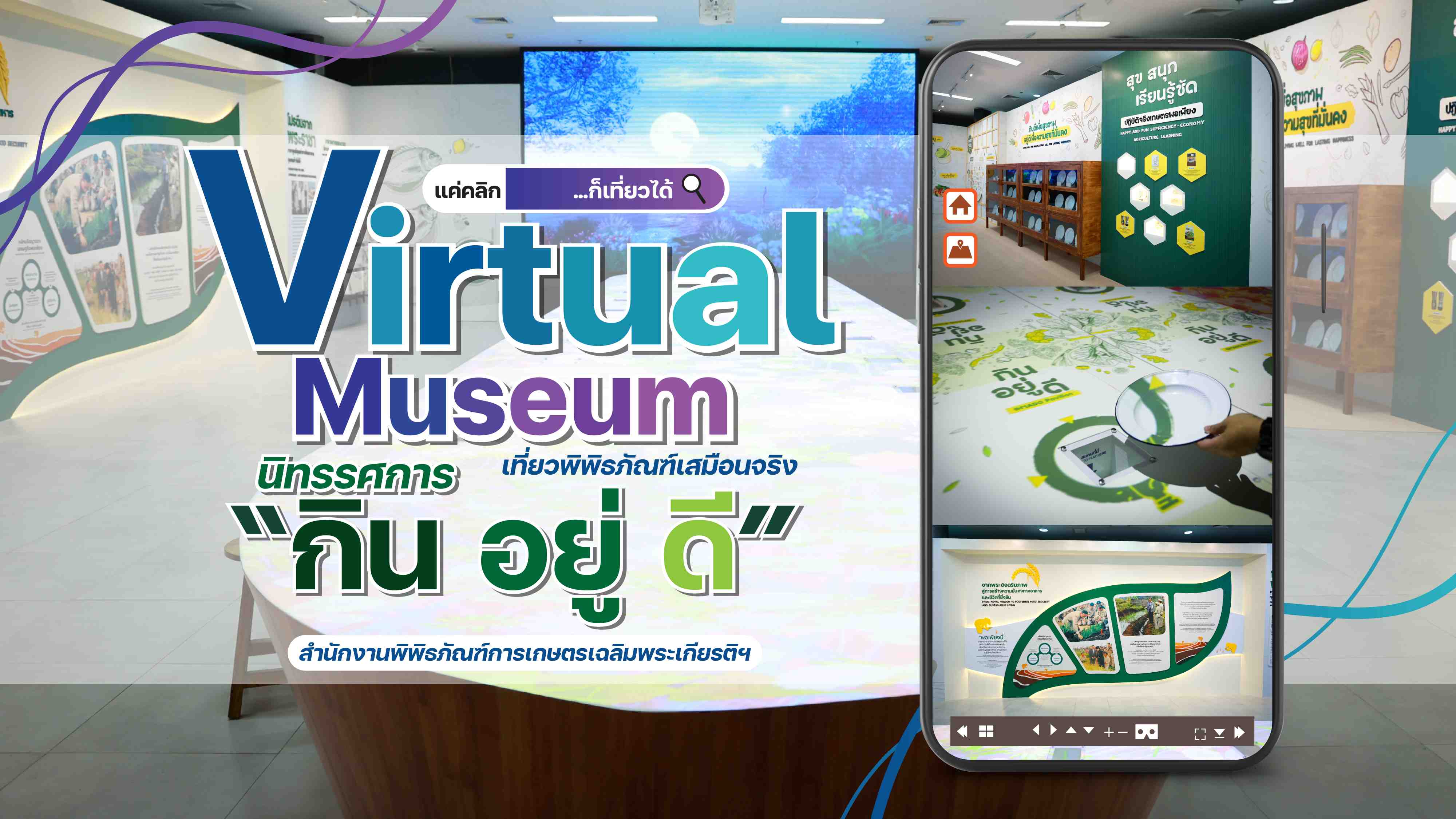
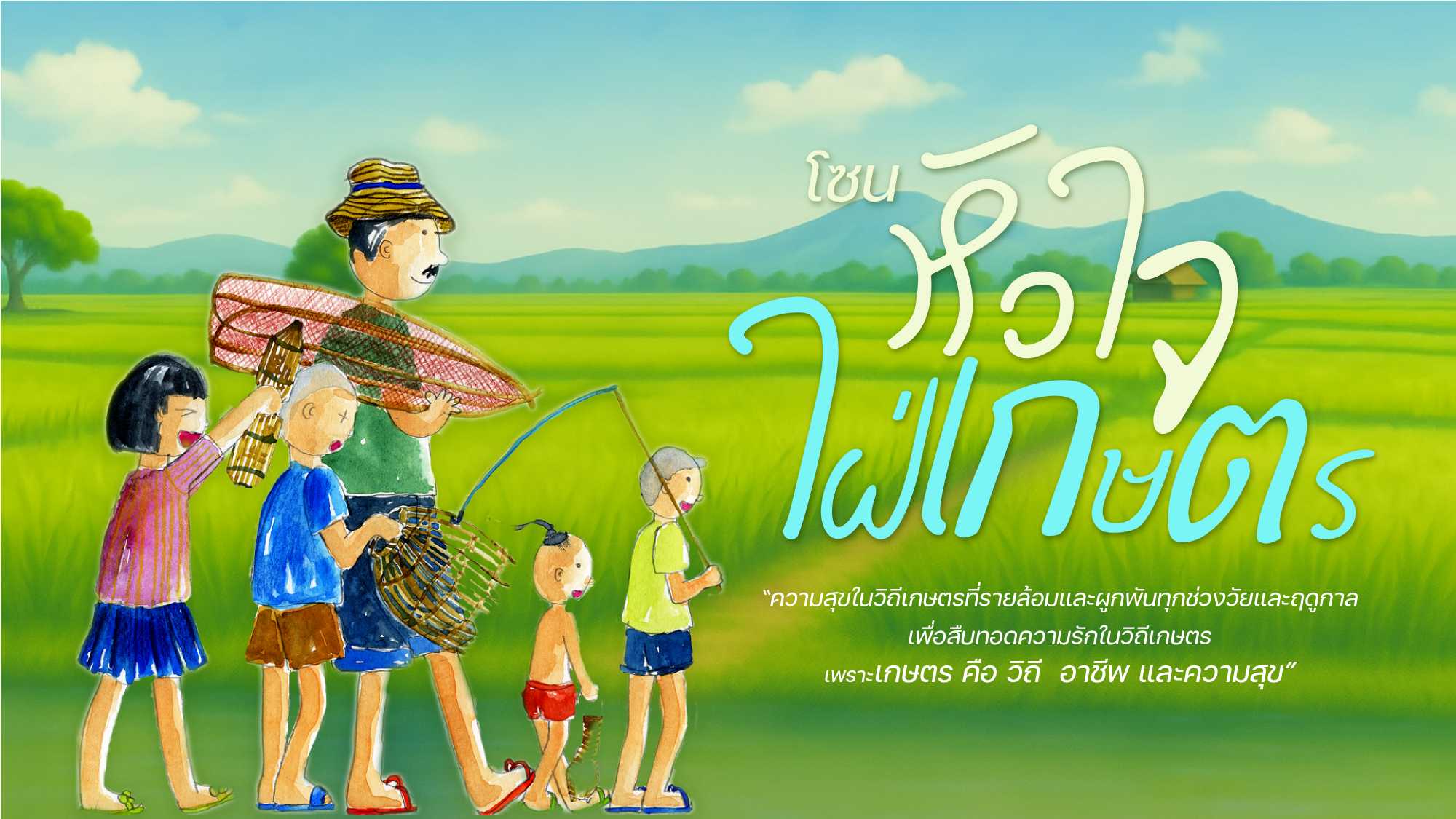
Have fun with agricultural toys made from readily available nature, easily crafted by oneself along with agricultural knowledge, a manual rice mill, tools and utensils for farming occupations, and learning Sufficiency Economy agriculture through a Virtual Reality game so fun you won't want to put it down.

Exhibition Zone 5: Following the Father's Footsteps, Living Sufficiency
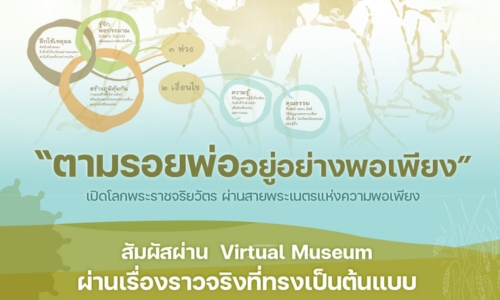
His Majesty King Bhumibol Adulyadej The Great (Rama IX) practiced the Sufficiency Economy philosophy in his own daily life, serving as an exemplary model for the wise and valuable use of resources. He bestowed practical guidelines for living according to the Sufficiency Economy philosophy—comprising the three components and two underlying conditions—and demonstrated the application of the New Theory of Agriculture, which can be initiated at the individual, community, and national levels.

Exhibition Zone 6: The Father's Agricultural Way of Life
Exhibiting the royal genius in the management of soil, water, forests, and people by His Majesty King Bhumibol Adulyadej The Great (Rama IX), who focused on developing people alongside area development based on the principle of geo-social environment. It begins with the Chitralada Royal Projects within the Chitralada Phra Rahothan Palace, Dusit Palace, which served as the first laboratory, scaling up to real areas across all regions of the country: the Royal Project Foundation, Huai Hong Khrai Royal Development Study Center, Phu Phan Royal Development Study Center, Khao Hin Son Royal Development Study Center, Ao Kung Kraben Royal Development Study Center, Huai Sai Royal Development Study Center, and Pikun Thong Royal Development Study Center.

Exhibition Zone 7: The Father's Innovations
His Majesty King Bhumibol Adulyadej The Great (Rama IX) was an experimenter and practitioner full of perseverance and brilliance, inventing various devices and innovations to help solve problems for the people in agriculture, energy, and the environment that no one had previously thought of or created. This resulted in valuable intellectual property, as He initiated the patenting, trademark registration, and copyright registration of His inventions to serve as a treasury of wisdom and a legacy for Thai people and Thailand in the future.

Exhibition Zone 8: The Land's Wisdom and Power
His Majesty King Bhumibol Adulyadej The Great (Rama IX) once shared the teachings of Somdet Phra Srinagarindra Boromarajajonani (the Princess Mother): 'Actually, your name is Bhumibol, which means the strength of the land. Mother wants you to stay with the land... Upon hearing these words, I reflected upon them, and Mother must have taught me with the purpose of wanting me to be down-to-earth and to work for the people.' This exhibition displays the royal biography and royal duties of His Majesty King Bhumibol Adulyadej The Great across seven eras, from his youth under the care of the Princess Mother to the strength and wisdom of the Thai land, praising and celebrating His Majesty's grace.

Exhibition Zone 9: Fulfilling the Royal Aspirations
Exhibiting the royal biography and royal duties of His Majesty King Maha Vajiralongkorn Bodindradebayavarangkun (Rama X), and his fulfillment of the royal aspirations for the happiness and benefit of all Thai people across the land. His Majesty is dedicated to 'Continuing, Preserving, and Extending' the royal initiatives and aspirations of His Majesty King Bhumibol Adulyadej The Great (Rama IX) to alleviate suffering and improve the well-being of the people, aiming for the greatest benefit of all Thai citizens and the nation's prosperous, secure, and sustainable development.

Exhibition Zone 10: Water is Life
Exhibiting the King's Science on water resource management by His Majesty King Bhumibol Adulyadej The Great (Rama IX)—from the upstream to the downstream—leading to the conservation and restoration of upstream forests, water storage for utilization in midstream areas, and the treatment and prevention of wastewater before the water flows out to the sea.

The King Who Loves Us Museum (Chalerm Phrakiat Building, 5th Floor, Zone 2)
Exhibition Zone 1: Thai Agriculture, World Agriculture
Learn about past stories, major turning points in agricultural development, the various impacts of global society on Thai agriculture across different eras, the resulting impacts, and the return to society's foundational roots through the Sufficiency Economy philosophy.

Exhibition Zone 2: Wonders of the Fields
Experience the evening atmosphere after finishing tasks in orchards, fields, and farms—the joy and fun of the agricultural lifestyle born from the abundance of nature, a traditional way of life where happiness is simply found in surroundings, through the song 'Wonders of the Fields,' with lyrics, melody, and vocals by Kru Sala Khunavut. Have fun being part of the merit-making tradition with a live Hologram folk dance stage. After the harvest season or the end of the farming season, once the rice is safely stored in the granary, it is time for festivities such as important annual merit-making festivals held at the temple, complete with temple fair games that will make you not want to leave this zone.

Exhibition Zone 3: Watershed Agricultural Way of Life
Experience the atmosphere and lifestyle of the agricultural society along the Chao Phraya River basin, where the majority of people's main occupations are farming, gardening, and fishing. Learn the methods of rice cultivation through an exhibition of rice production steps—beginning with soil preparation all the way to milled rice. The 'Krachaeng' boat, the monarch of the waterways, was used to transport various agricultural products from orchards and fields to be floated down and sold in markets and communities. Explore the waterway route passing through communities, ways of life, and various agricultural produce from the headwaters of the Chao Phraya River and Tha Chin River down to the mouth of the Gulf of Thailand.

Exhibition Zone 4: The Old Agricultural Market (Ngoen Thawi Market)
A replica of a traditional market's lifestyle in the past, characterized by rows of shophouses selling various goods, including grocery stores, Buddhist supply shops, coffee shops, gold shops, agricultural equipment stores, herbal medicine shops, as well as street stalls.

"Exhibition Zone 5: Following the Father's Teachings
Her Royal Highness Princess Maha Chakri Sirindhorn, who serves as the chairperson for following the royal initiatives of His Majesty King Bhumibol Adulyadej The Great (Rama IX), has traveled alongside him to remote areas across the country. A familiar sight to Thai people is Her Royal Highness sitting beside her royal father, diligently jotting down notes of their work and the stories of individuals in her notebook—a testament to the networks of the Wisdom-Kind Agricultural Museum that have embraced and practiced the royal initiatives and working principles of His Majesty King Bhumibol Adulyadej The Great, bringing about tangible results.

Exhibition Zone 6: Sufficiency Economy Agricultural Innovation
The story of creative wisdom and innovation for Thai agriculture: learning to utilize diverse resources for self-reliance in an appropriate and sustainable manner through the Sufficiency Economy philosophy. This includes tiny microorganisms as a natural innovation, genetics as an innovation in selecting superior breeds, renewable energy as an energy innovation for sustainable power, food processing as an innovation to add value to agricultural produce, and agricultural technology as an innovation for self-reliance.

Exhibition Zone 7: Thai Agricultural Institute
An area dedicated to compiling information on the 'Thai Agricultural Institute,' featuring both ancient publications dating back to the reign of King Rama VI in original physical form and e-books. It traces the origin and development of Thai agricultural institutions, evolving into today's ministries and various agricultural organizations, as well as the biographies of individuals who have made significant contributions to Thai agriculture, past Phra Phai Na (Lords of the Plough), Ministers of Agriculture, and Ministers of Agriculture and Cooperatives.

Exhibition Zone 8: Future Agriculture
When genetic diversity and the abundance of natural and agricultural resources are being challenged by numerous crises and problems—most notably global warming—these issues can be resolved if we unite to create 'Seeds of Hope' to foster the sustainable growth of agricultural society. Everyone can contribute to supporting sustainable agriculture by helping to build a network comprising farmers, the new generation of agricultural successors, local scholars, academics, and consumers.

Exhibition Zone 9: Local Thai Agriculture
A collection of agricultural produce from various regions—whether it be crops from the highlands of the North, the plateau of the Northeast, the central plains, or the coastal areas of the East, Central region, and the South. This diverse produce demonstrates the abundance and variety of natural resource sources.

 พิพิธภัณฑ์ในอาคาร
 พิพิธภัณฑ์ในอาคาร
 พิพิธภัณฑ์ในอาคาร
 พิพิธภัณฑ์ในอาคาร
 พิพิธภัณฑ์ในอาคาร
 พิพิธภัณฑ์ในอาคาร
 พิพิธภัณฑ์กลางแจ้ง
 พิพิธภัณฑ์กลางแจ้ง
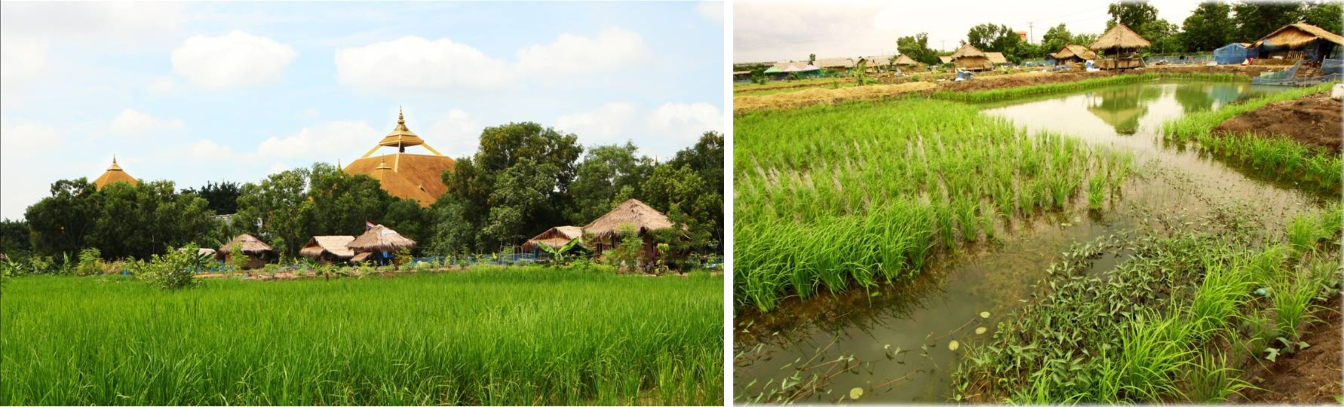 พิพิธภัณฑ์กลางแจ้ง
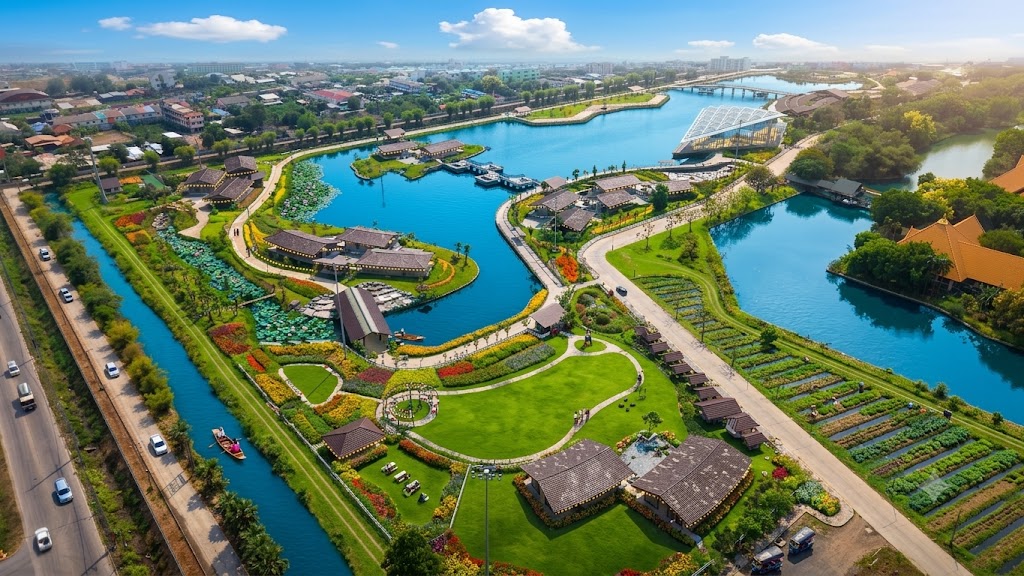 พิพิธภัณฑ์กลางแจ้ง
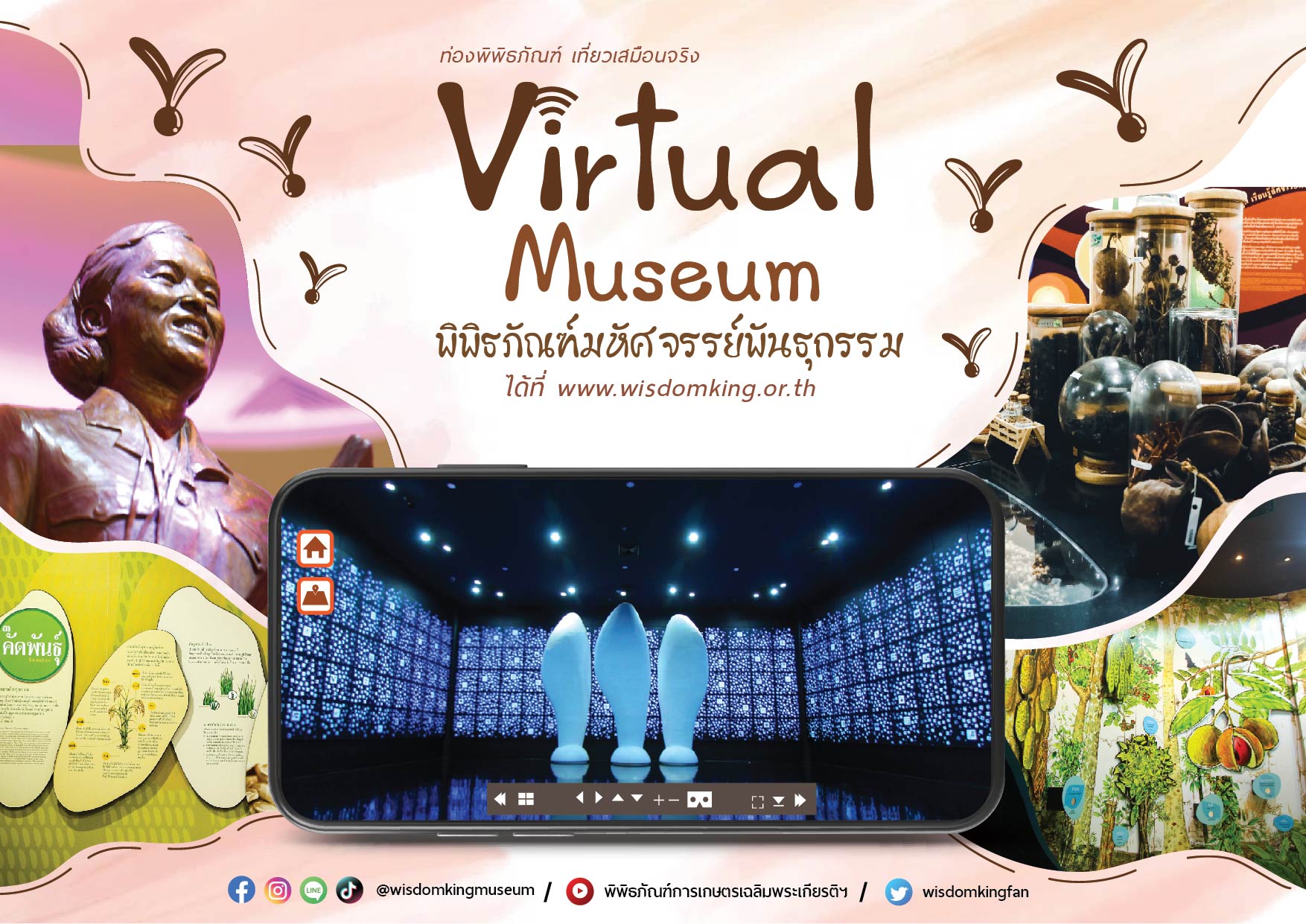 พิพิธภัณฑ์เสมือนจริง
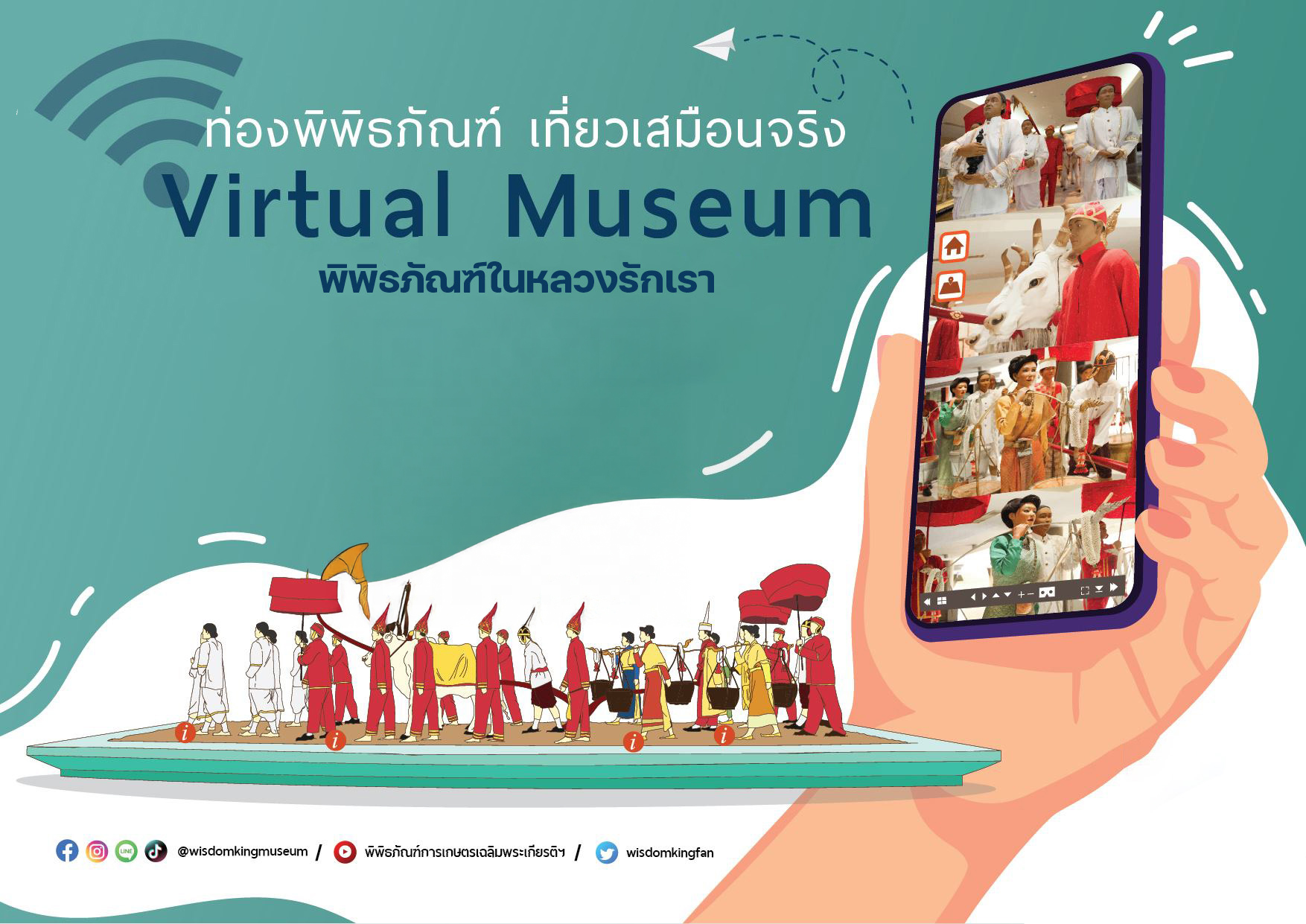 พิพิธภัณฑ์เสมือนจริง
 พิพิธภัณฑ์เสมือนจริง
 พิพิธภัณฑ์เสมือนจริง
 พิพิธภัณฑ์เสมือนจริง
 พิพิธภัณฑ์เสมือนจริง
ลงทะเบียนเพื่อรับข่าวสาร โปรโมชั่น หลักสูตรอบรม และไม่พลาดกับทุกกิจกรรมของสำนักงานพิพิธภัณฑ์เกษตรเฉลิมพระเกียรติพระบาทสมเด็จพระเจ้าอยู่หัว (องค์การมหาชน)