ย้อนกลับ
ชั้นที่ 1
The King Loves Us Museum
 พิพิธภัณฑ์ในอาคาร

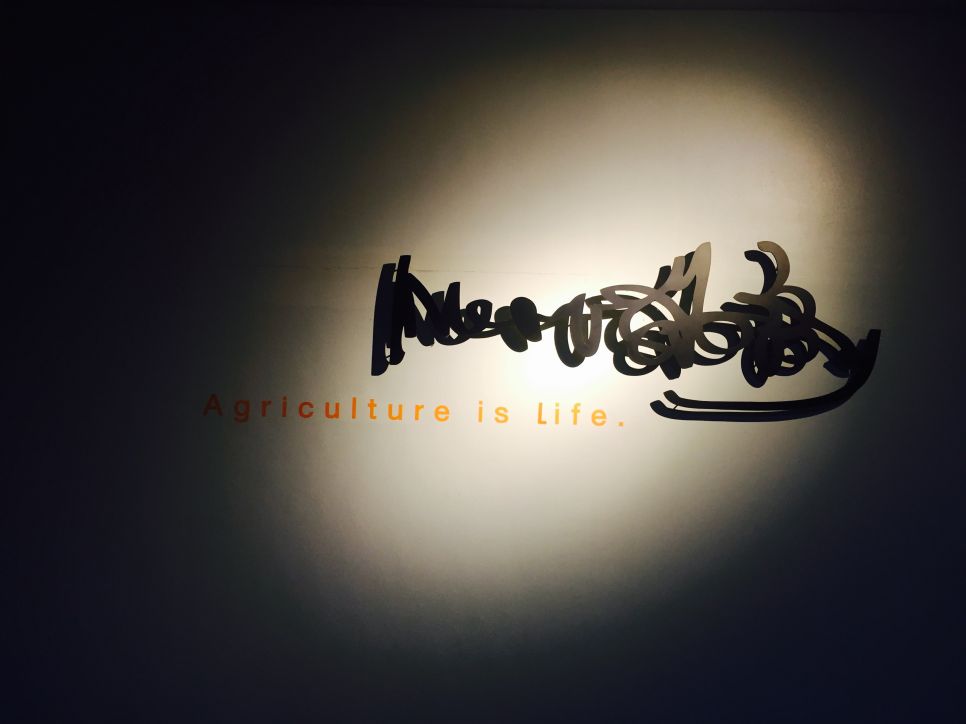


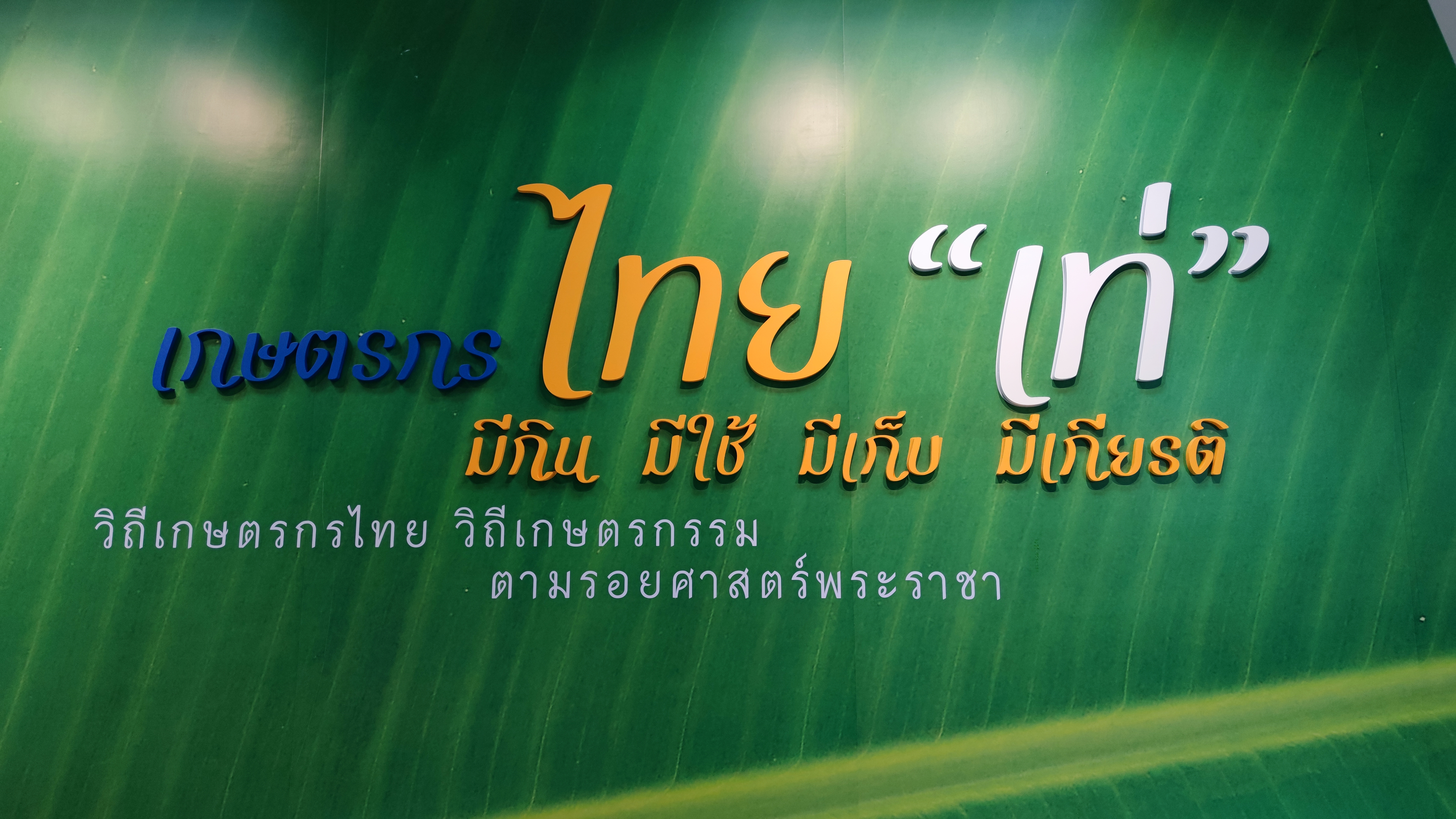
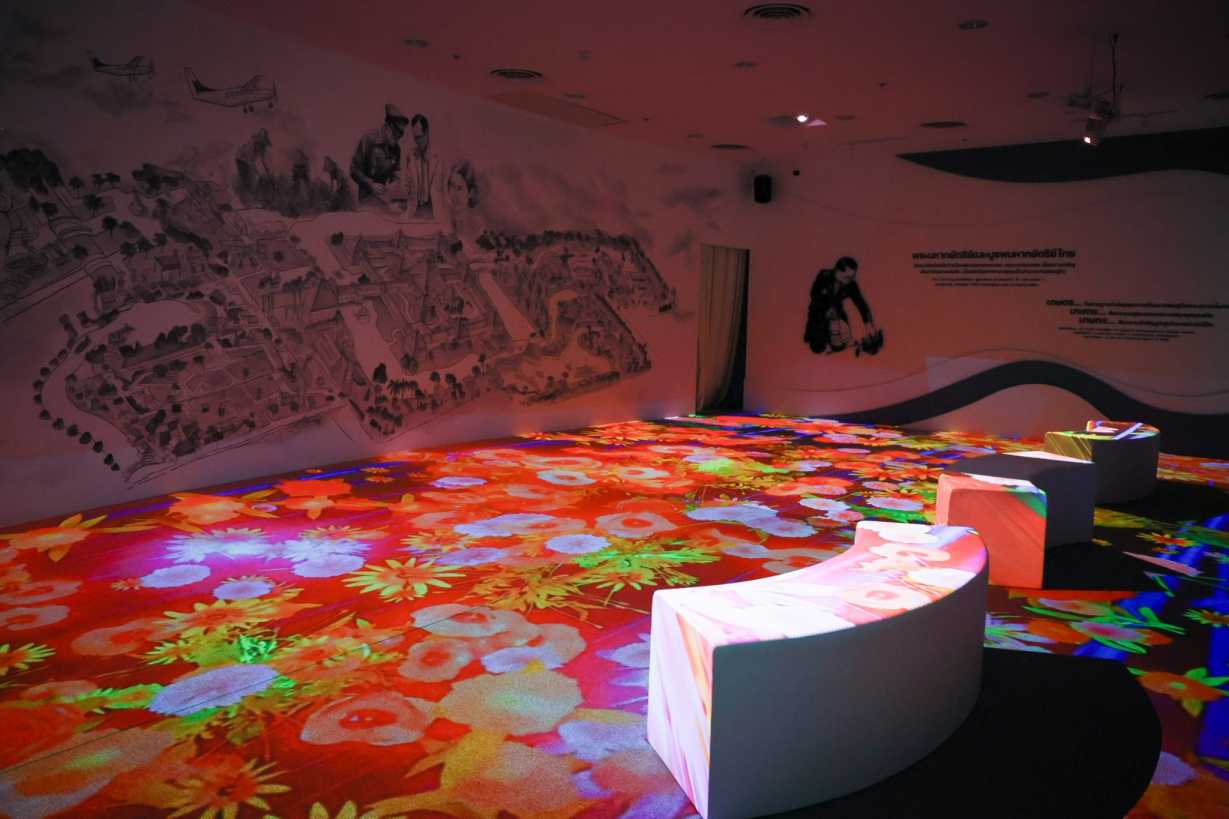
Agricultural Museum is Life: An exhibition building that tells the story of the importance of agriculture from the past, present, and future through modern technology. It features the exhibition 'Identity of Agricultural Culture,' which showcases significant objects in traditional Thai agricultural ways of life—namely, local hand-woven textiles and basketry—along with narratives expressed through these objects, such as 'From Thread to Fabric Patterns' and 'Weaving and Interlacing the Identity of Agricultural Culture,' complemented by the Wisdomking Museum e-library, a resource center for exploring the history of Thai monarchs and agriculture.
‘...I have witnessed for myself that our Thai people are truly the repository of the nation's art and culture.
they need only be given the opportunity to express their inherent value...’
Royal Address by Her Majesty Queen Sirikit The Queen Mother on the Occasion of Her Birthday Anniversary
On August 11, 1988
Exhibiting the royal duties of Her Majesty Queen Sirikit The Queen Mother, who dedicated her work to the development of Thai folk arts and crafts (Support Foundation) to help farmers gain supplementary income from farming by utilizing their existing wisdom and knowledge. This led to the establishment of the Foundation for the Promotion of Supplementary Occupations and Related Techniques (SUPPORT Foundation). She encouraged knowledgeable individuals from various fields to pass on their skills to villagers, advised on weaving techniques, and purchased the woven fabrics. She also engaged foreign designers to create modern designs and tailor outfits for her official royal engagements both domestically and abroad. Through her royal grace in continuously preserving, reviving, and promoting the use of Thai fabrics—and serving as a role model by wearing Thai textile outfits—Thai fabrics have been transformed into valuable and proud national commodities. In recognition of this, she was bestowed with the royal title 'Akkaraphirak Sinlapin,' meaning 'The Supreme Protector of the Arts of the Land.'


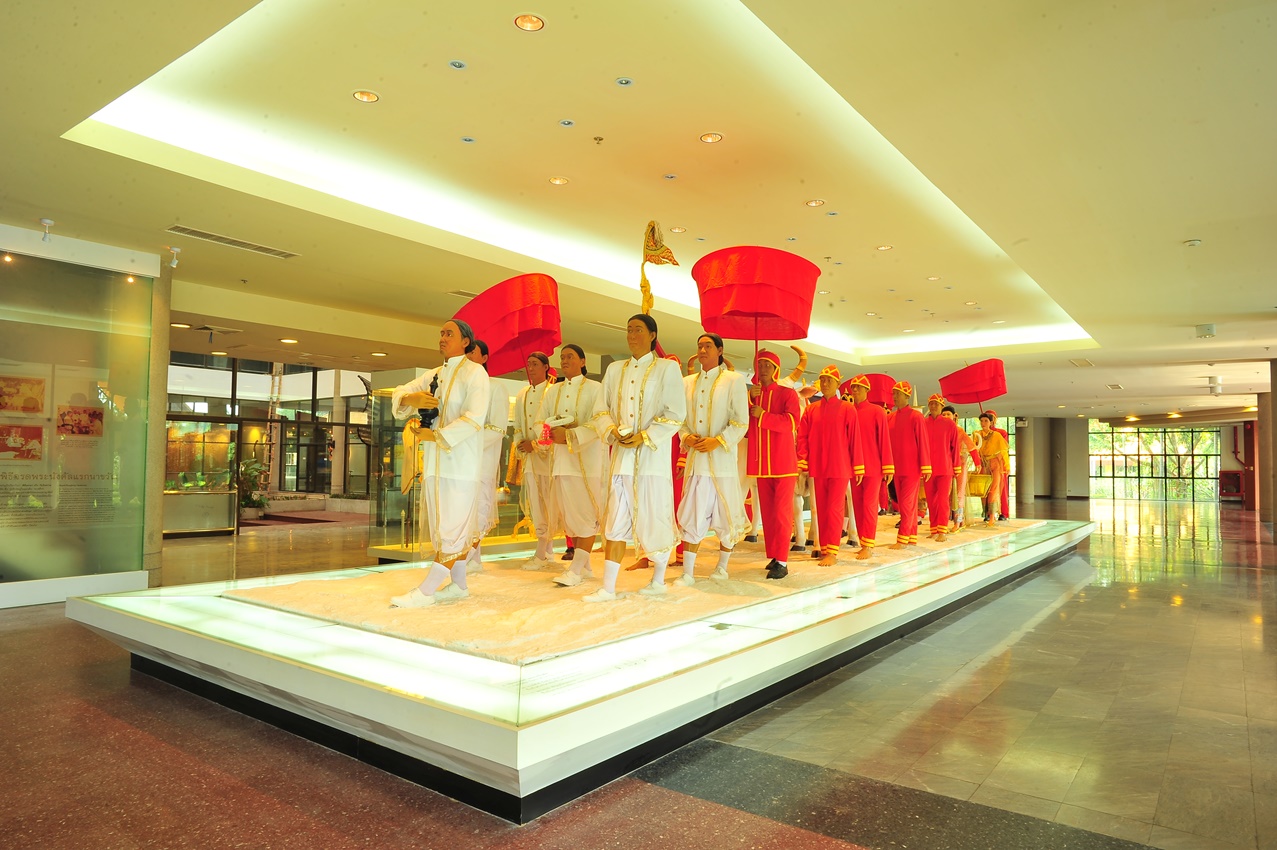 พิพิธภัณฑ์ในอาคาร
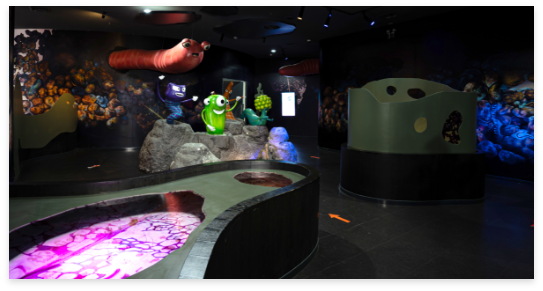 พิพิธภัณฑ์ในอาคาร
 พิพิธภัณฑ์ในอาคาร
 พิพิธภัณฑ์ในอาคาร
 พิพิธภัณฑ์ในอาคาร
 พิพิธภัณฑ์ในอาคาร
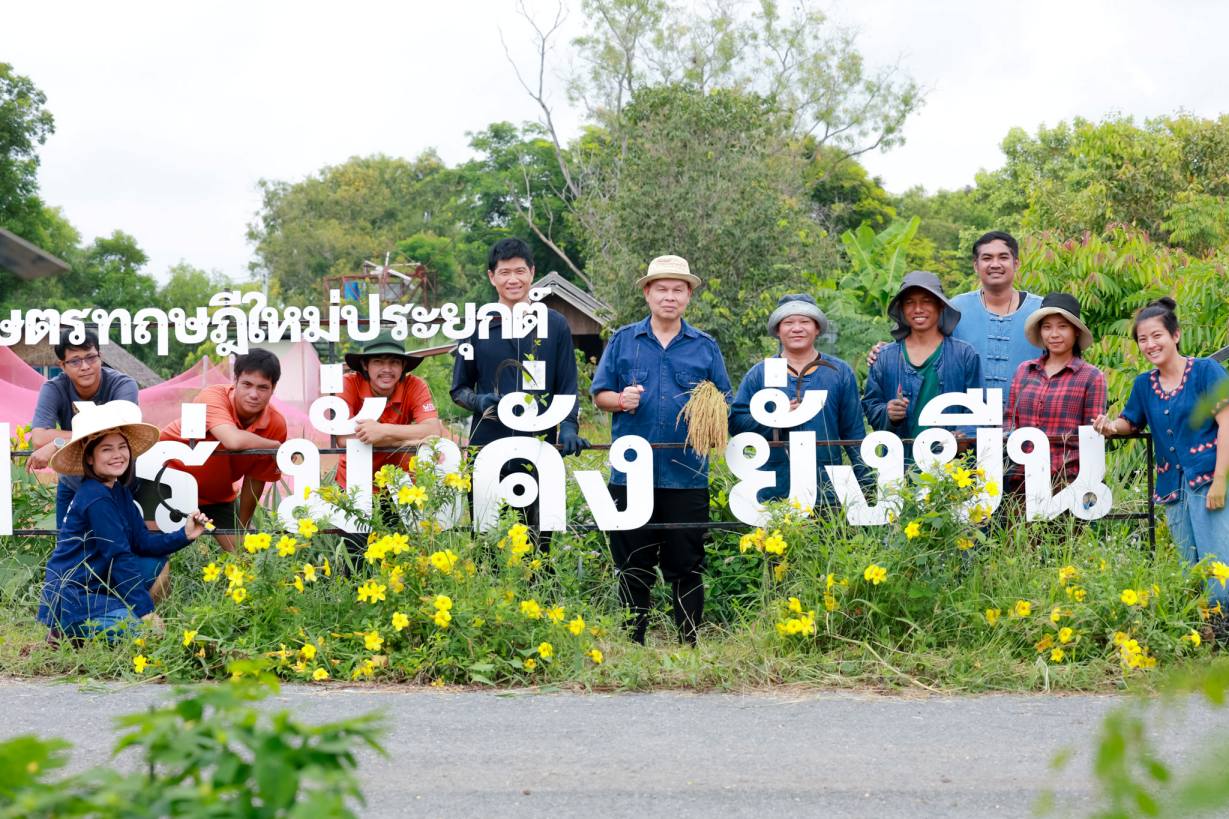 พิพิธภัณฑ์กลางแจ้ง
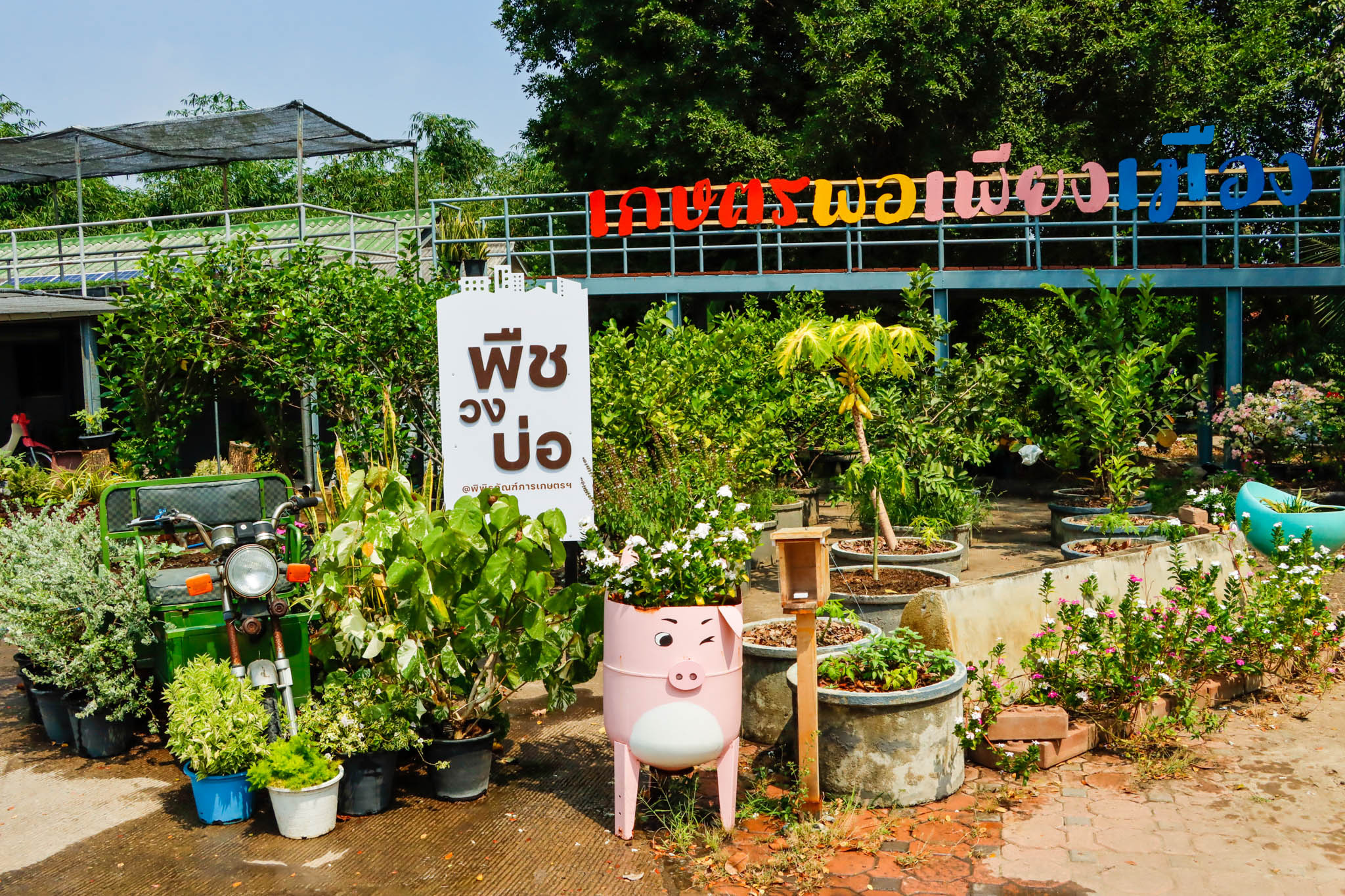 พิพิธภัณฑ์กลางแจ้ง
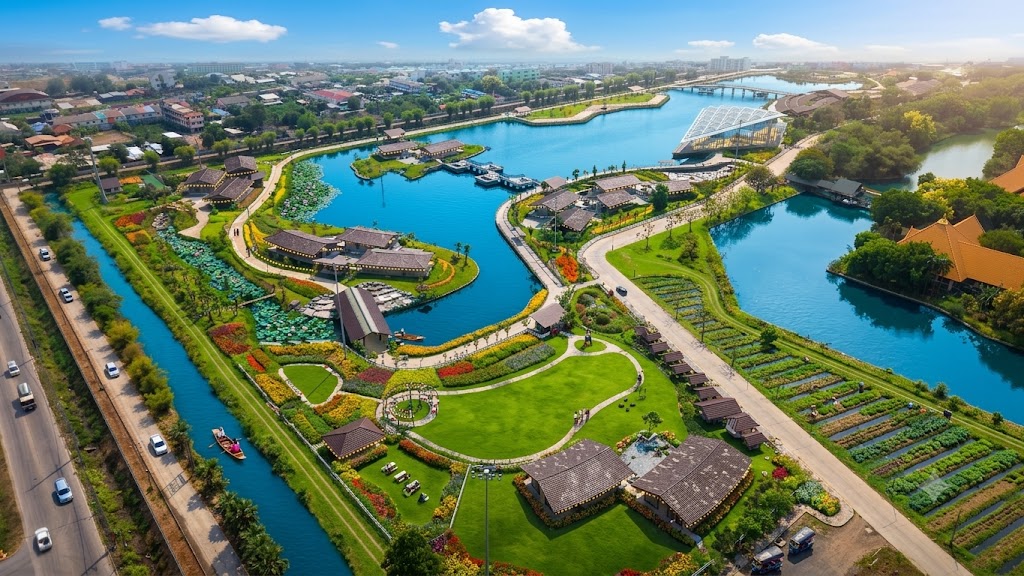 พิพิธภัณฑ์กลางแจ้ง
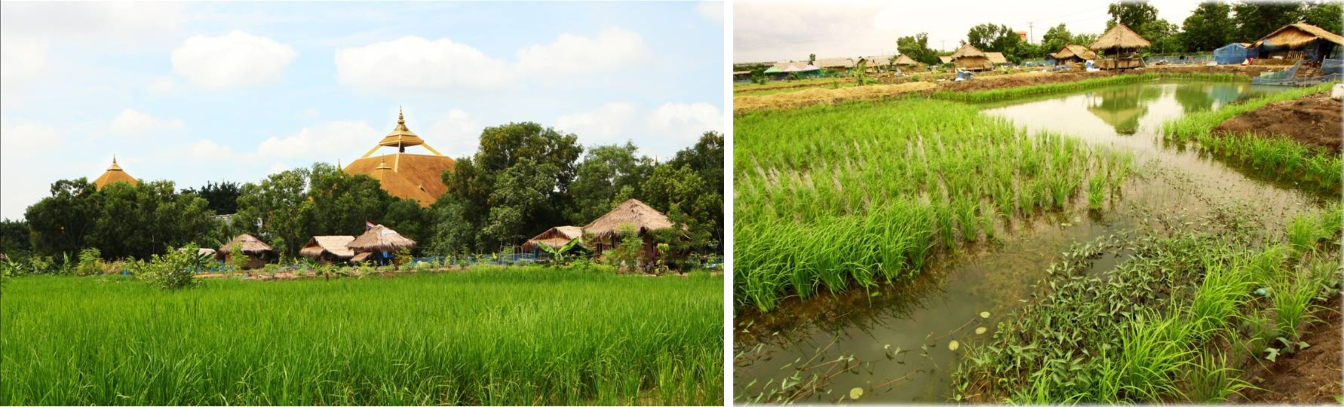 พิพิธภัณฑ์กลางแจ้ง
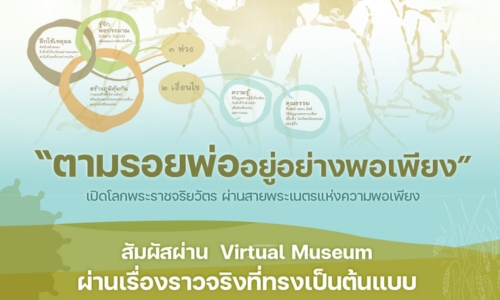 พิพิธภัณฑ์เสมือนจริง
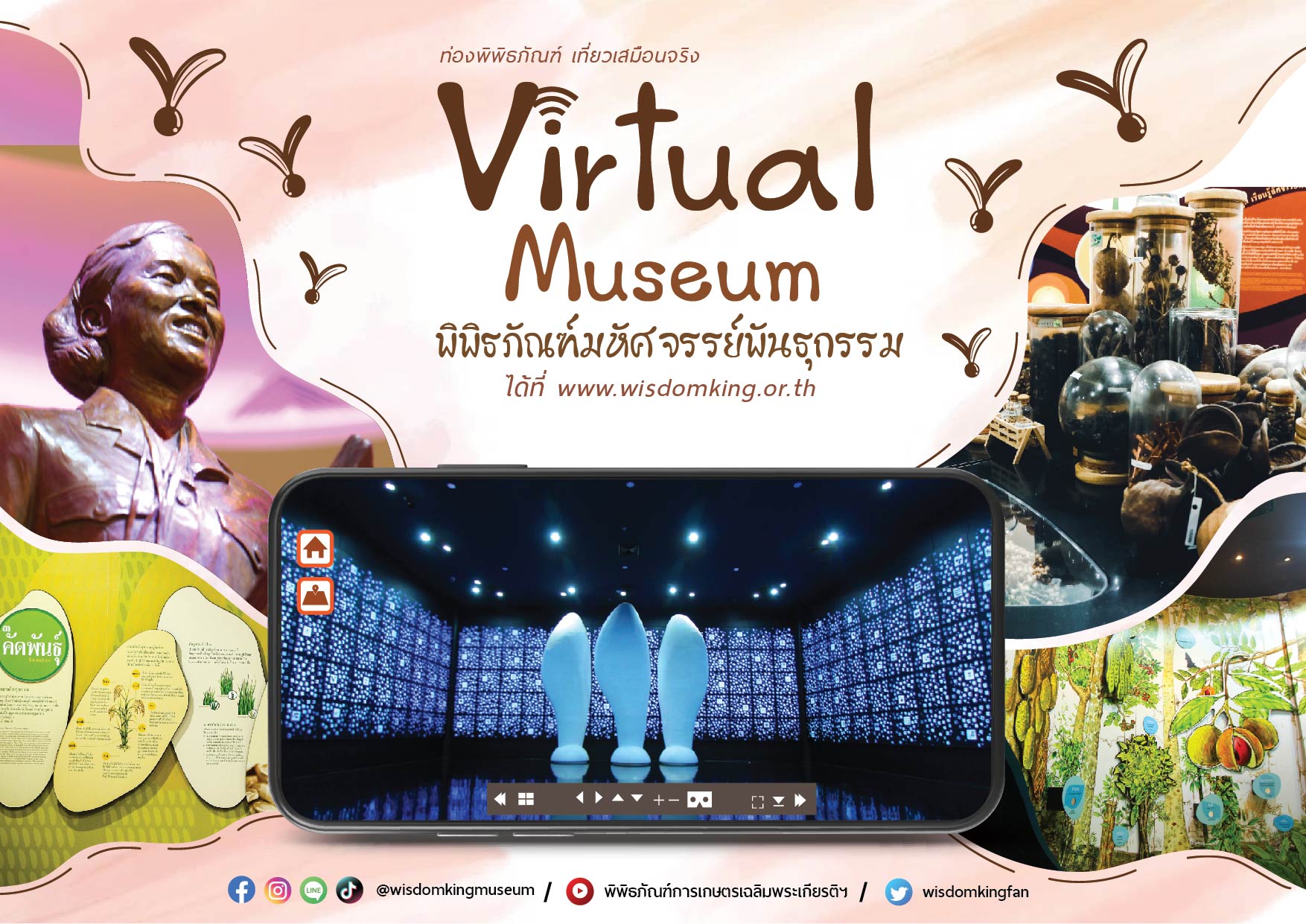 พิพิธภัณฑ์เสมือนจริง
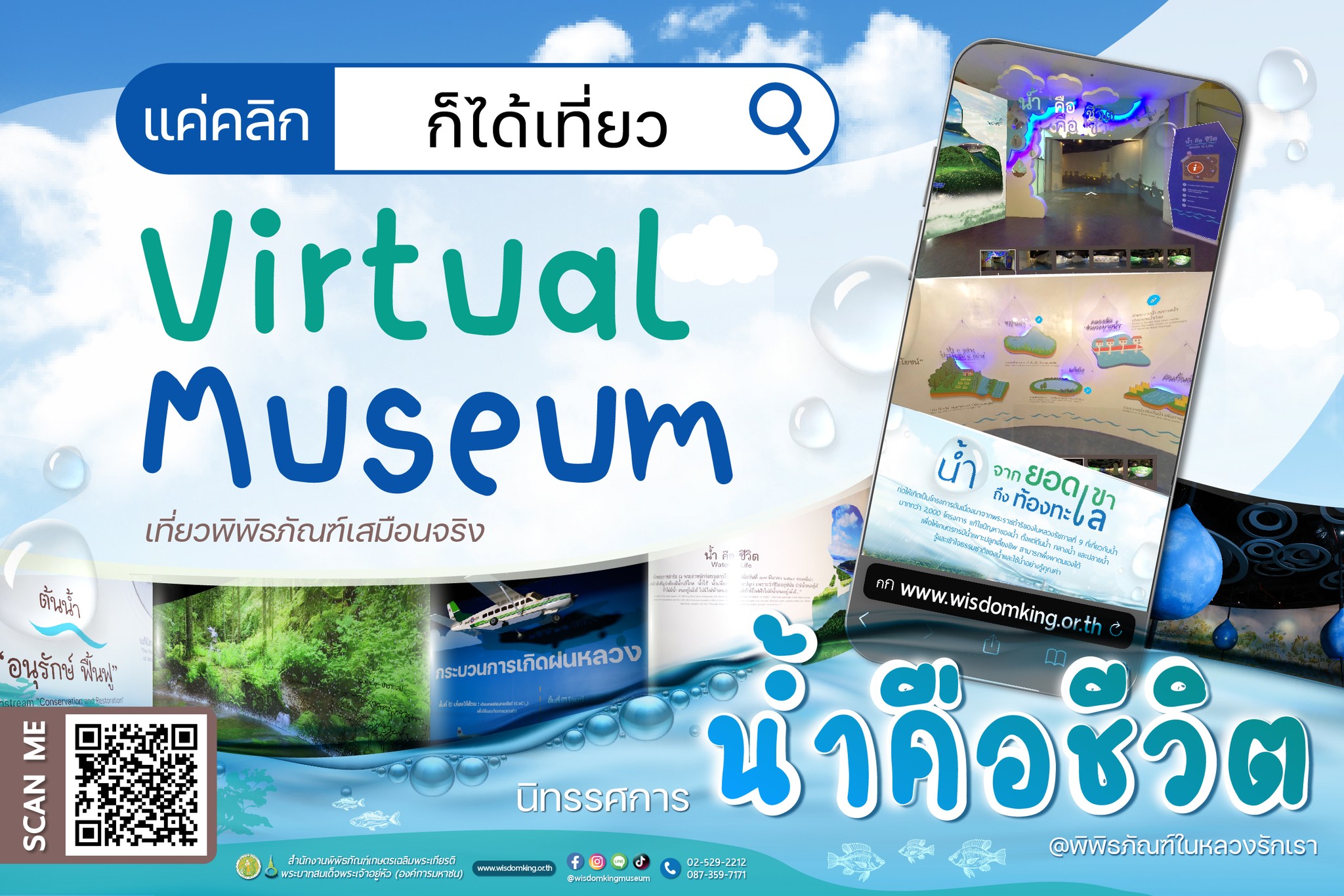 พิพิธภัณฑ์เสมือนจริง
 พิพิธภัณฑ์เสมือนจริง
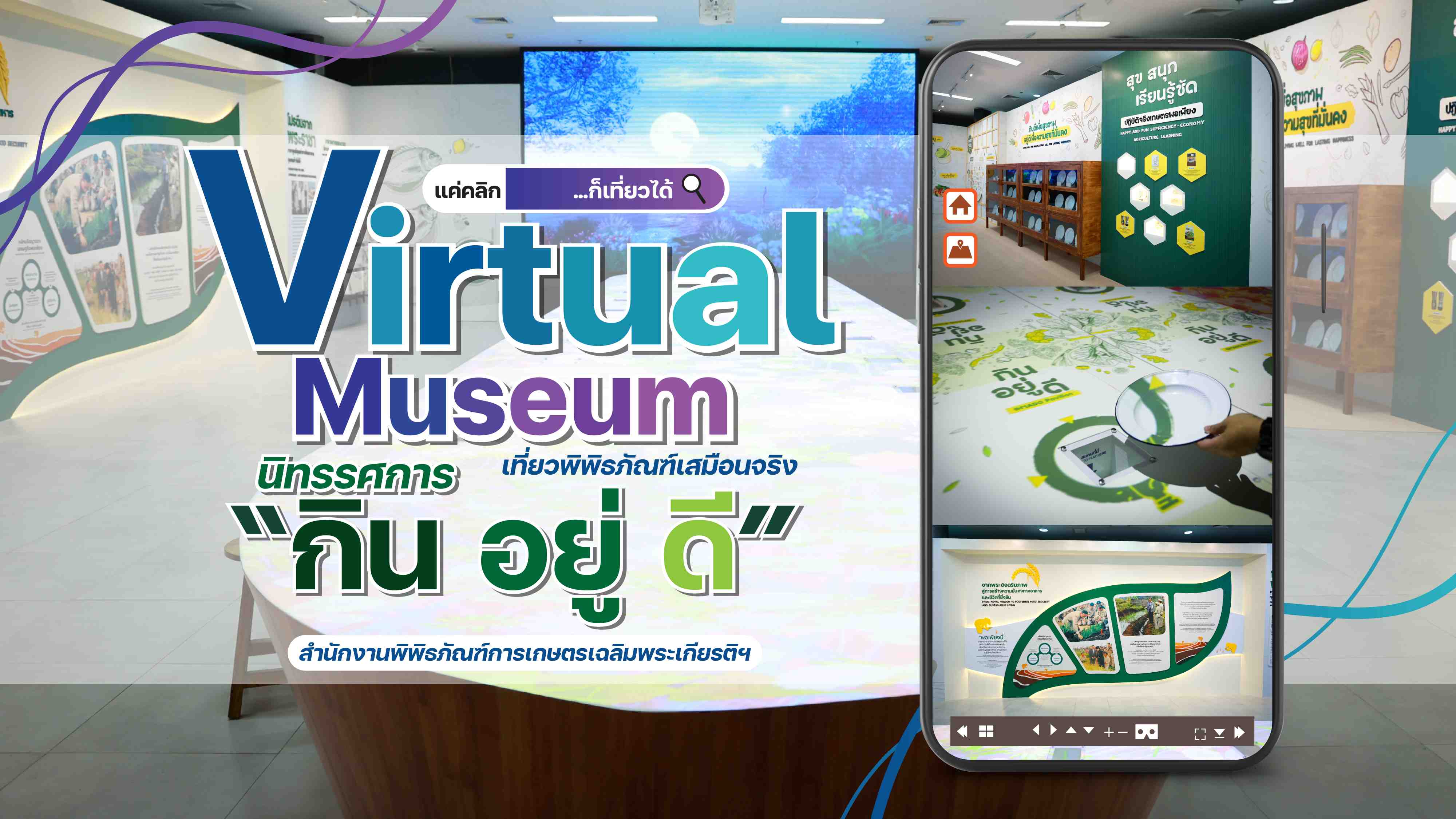 พิพิธภัณฑ์เสมือนจริง
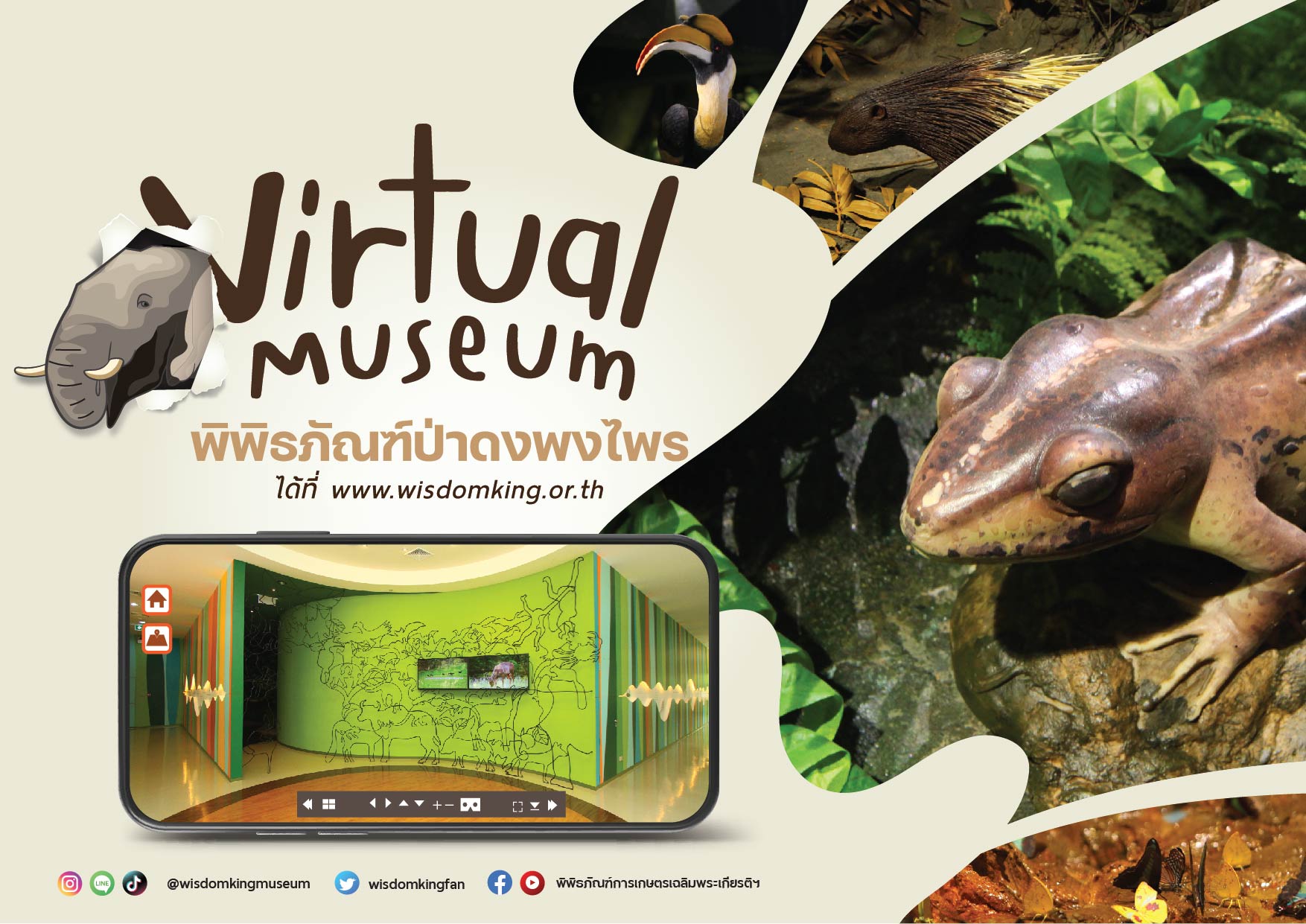 พิพิธภัณฑ์เสมือนจริง
ลงทะเบียนเพื่อรับข่าวสาร โปรโมชั่น หลักสูตรอบรม และไม่พลาดกับทุกกิจกรรมของสำนักงานพิพิธภัณฑ์เกษตรเฉลิมพระเกียรติพระบาทสมเด็จพระเจ้าอยู่หัว (องค์การมหาชน)